
Aged care plumbing Melbourne is a higher-care brief than commercial plumbing, different set points, different documentation, different access protocols. Residents are immunocompromised, less able to react to scalding water, and largely impossible to relocate while a plant room is taken offline. Prime Plumbing & Gasfitting runs the TMV testing, gas safety and after-hours response that Melbourne residential aged-care facilities need, and documents every line of it in the format Aged Care Quality and Safety Commission reviewers actually open. Led by Alister Williams, BPC #103414, Type A gasfitter endorsed by Energy Safe Victoria.

Quick answer: Aged care plumbing in Melbourne centres on scald protection: TMVs tested annually, tempered water at every resident outlet, and paperwork your auditor can actually use. Prime Plumbing & Gasfitting is BPC licensed (#103414) and issues Compliance Certificates plus test records after every visit. Book planned TMV testing or call when a resident bathroom fails; either way you get a fixed written quote first.Elderly skin burns at lower temperatures and shorter exposure than adult skin. The AS 3500.4 ceiling for accessible warm water in aged care is 45°C, but most facility risk-management policies set the actual delivered temperature at 43.5°C, and clinical care managers in higher-acuity wings push the policy as low as 42°C for memory-support residents who can't reliably reach to mix cold. A trade that calibrates TMVs to the AS 3500 default walks past the gap between standard and policy. We set, test and document the set point against the policy on the wall in your facility, not the trade default.
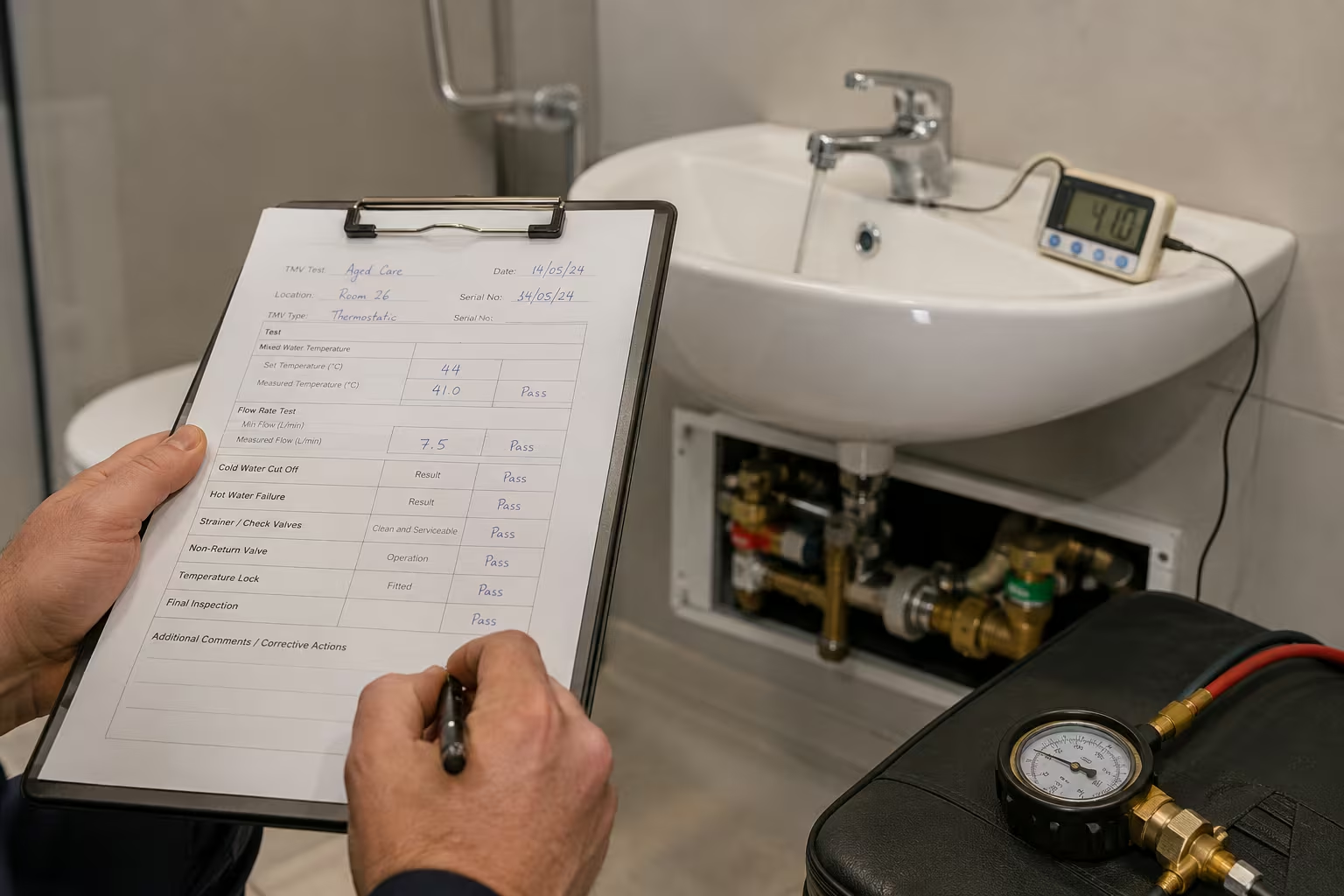
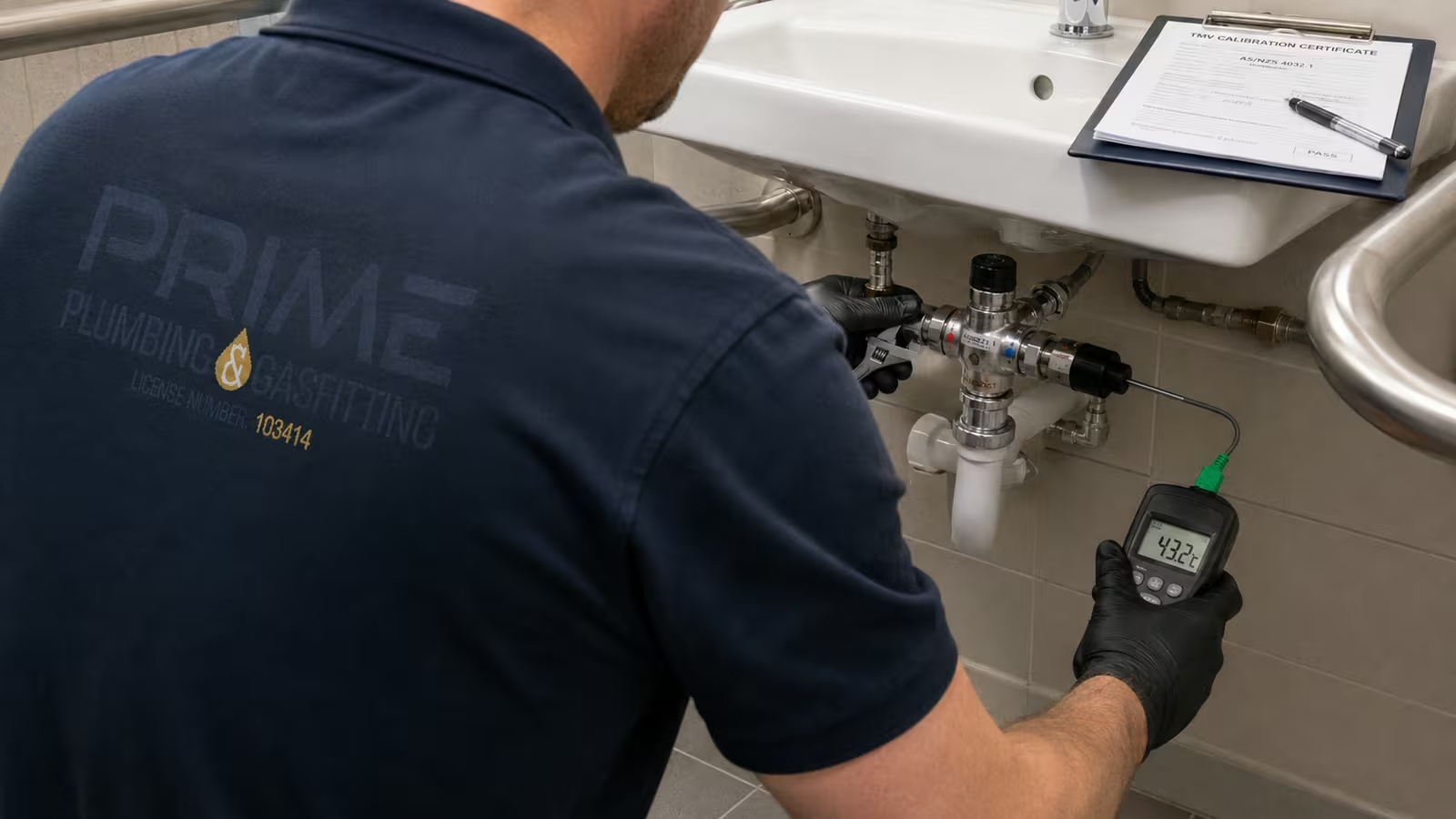
Each TMV in the facility tested per AS 4032.3 with set-point, measured warm-water temperature, pass/fail and tester signature recorded on a per-outlet sheet. Sheets bundle into a single PDF per facility, per year, the format ACQSC site auditors and accreditation reviewers open first when they pull the plumbing-and-water-quality file.
Measured delivery temperature at every personal-hygiene outlet, checked against the 45°C limit AS/NZS 3500.4 sets for aged care, with the TMV or tempering valve serving each outlet identified. Any outlet running hot is flagged, the valve is serviced or replaced, and the retest is recorded, so the file shows the problem closed out as well as found.
Type A gasfitter sign-off on commercial kitchen gas appliances and hot-water plant. BPC Compliance Certificate issued where any install or replacement work has been performed. CO testing readings per appliance under operating load. All three filed against the facility in one annual document pack.
TMV testing, backflow testing, gas safety check and CO testing run in one consolidated visit. Reduces wing-access disruption, reduces contractor-management overhead for the facility manager, and gives the clinical care manager a single point of contact for any resident-impact comms.
All five compliance streams consolidated into one PDF the facility manager can drop straight into the ACQSC accreditation folder or share with the corporate compliance team. No chasing five contractors for five report formats.
Single mobile number, answered by Alister, no call-centre triage. Resident-impact escalation path agreed with the facility at contract setup, not invented at 2 a.m.
The compliance reminder lands in the facility manager's inbox one month before the next test cycle is due, well before any ACQSC site audit window opens, so the year's testing is already in the pack when the auditor walks in.
Same BPC-registered plumber on the building year after year. Knows the riser layout, the TMV positions, the calorifier locations, and the residents-vs-plant access protocol. Continuity reduces test-time, reduces wing disruption, and reduces the risk of a missed outlet at handover.
The four steps below cover what the facility provides and what we deliver in return.
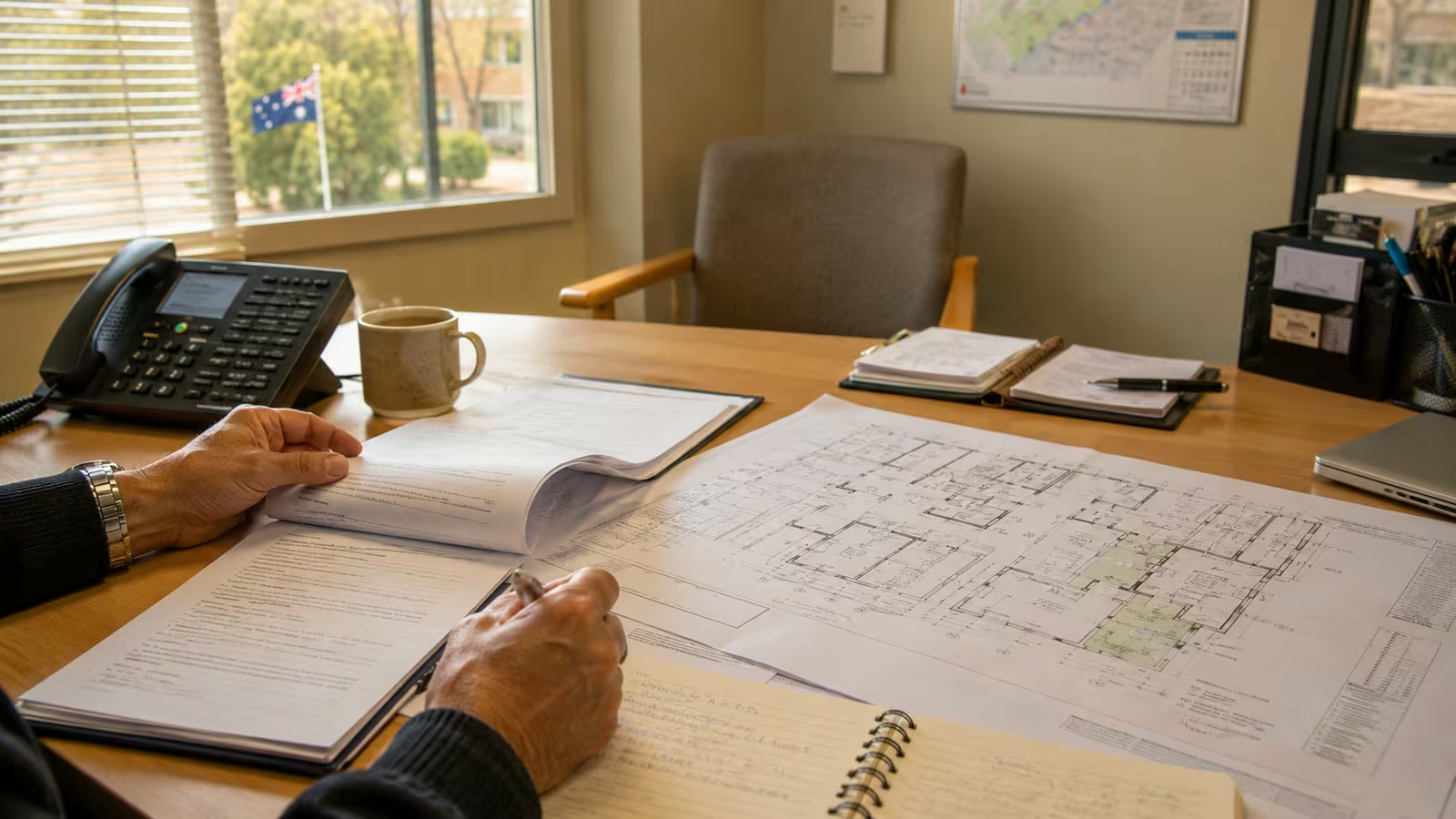
Bed count and wing layout let us size the annual contract correctly. Prior reports (TMV, backflow, gas) become the baseline for year-on-year drift detection. Send what you have; we'll work with whatever the previous contractor handed over.
Per-outlet TMV pricing, hot-water temperature documentation, backflow per-device, gas plant cycle. The quote is a fixed-price annual contract, no surprises mid-cycle, the business office can clear it at the next finance meeting.
School-holiday-like low-occupancy windows are rare in aged care; instead, we schedule around the morning shower routine, the medication round, and any wing-specific access constraints. The first visit gets the facility into compliance and resets the calendar reminder.
Per-outlet TMV sheets, backflow lodgement receipts, BPC Compliance Certificate (where applicable), CO readings, all in one PDF emailed to the facility manager and the clinical care manager after the visit.
Related: aged-care plumbing compliance checklist (Victoria).
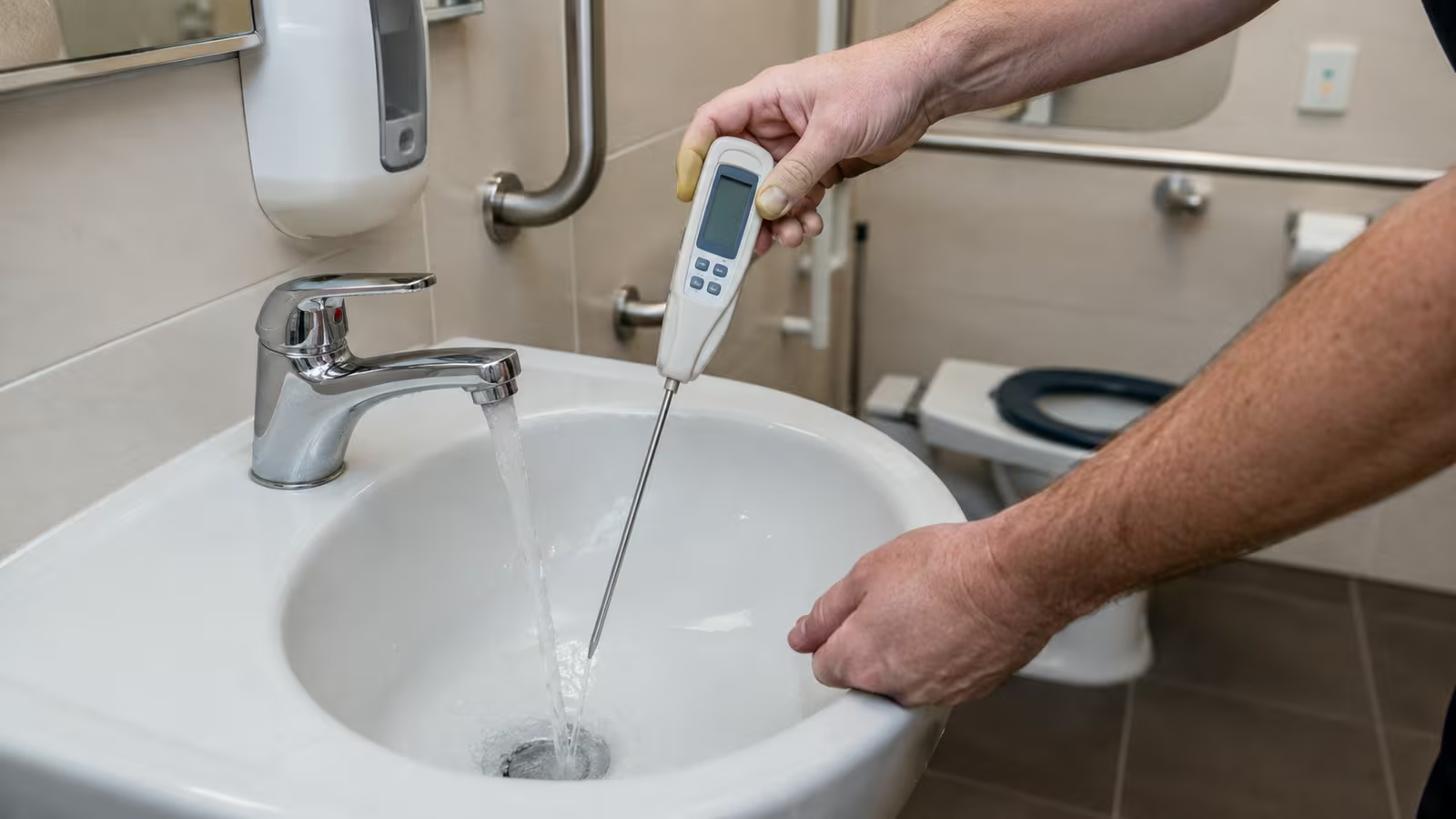
A TMV that passes at the 43.5°C set point in May can drift to 47°C by November as the cartridge wears or the inlet pressure shifts. Annual testing alone doesn't catch mid-year drift, that's what catches facilities out. We pair the annual test with a mid-year check on the highest-risk outlets (memory-support ensuites, shared shower bays) so any drift gets caught and re-set before it becomes the next incident.
AS/NZS 3500.4 limits heated water at personal-hygiene outlets in aged care to 45°C, which is why those outlets are fitted with TMVs, and AS 4032.3 sets out how the valves are field-tested and maintained. How a missed test is treated depends on your facility's own obligations, but the practical answer at an ACQSC audit is the same: without current per-outlet test records, you can't show the scald risk is being managed.
Yes, the same plumber on the building each year, coordinated with the clinical care manager, with a wing escort where the facility requires one. We work during the post-breakfast / pre-shower window in most wings, or under wing-lockdown protocol where the clinical lead prefers that. No tools unattended, no doors propped, no equipment in resident sight lines.
At contract setup we agree the escalation path: a direct mobile to Alister and a documented isolation procedure the facility's maintenance team can run from the plant-room schematic we leave on site. A burst can often be stopped at the isolation valve, and getting a plumber on site happens in parallel with the isolation, not after it.
Alister is a Type A gasfitter endorsed by Energy Safe Victoria, so commercial kitchen gas appliances and gas hot-water plant sit under the same annual contract as the TMV/backflow work. BPC Compliance Certificate issued direct on any install or replacement. Single contractor, single document pack, single point of contact for the facility manager.
The TMV count depends on the wing types and the outlet layout. We quote the actual outlet count after the first walk-through, not a per-bed rate.
Yes, we align the annual visit to land roughly 8-10 weeks before your accreditation site audit window opens. That gives time for the report pack to be reviewed by the corporate compliance team and any remediation work to be closed out, while keeping the documentation freshness inside the 12-month window ACQSC expects.


 Verified by Trustindex