Heat Pump Hot Water Noise: How Loud Are They and What Can You Do About It?
heat pump hot water noise: How loud is a heat pump hot water system? Typical decibel levels, where noise comes…
Body Corporate Plumbing Compliance, What Every Strata Manager Needs Scheduled Annually, a Prime Plumbing & Gasfitting plain-English guide to body corporate plumbing compliance for Melbourne strata managers and body corporates. Below we cover what works, what doesn't, and when to call a licensed plumber.
Quick answer: Owners corporations in Victoria are responsible for the plumbing infrastructure in common property: incoming water mains, shared hot water plant, gas plant rooms, common-area amenities, common backflow devices. The strata manager schedules and pays for annual compliance testing on each of these. Four main jobs: backflow testing on the RPZD or DCV at the building's incoming main; gas compliance on the shared hot water plant and any common-area gas appliances; carbon monoxide testing where gas appliances are in shared spaces or near sleeping areas; and TMV testing if the building has TMVs in common-area amenities (gym change rooms, pool change rooms). All four can be done by one contractor on one annual visit, with reports lodged with Yarra Valley Water and kept on the OC's records.
The split is in the property's plan of subdivision, but the general rule for plumbing:
| Owners corporation (common property) | Lot owner (inside their apartment) | |---|---| | Incoming water main + meter | Hot and cold supply lines inside the lot | | Shared backflow devices (RPZD/DCV on incoming main) | Individual flexi hoses, taps, mixers | | Shared hot water plant (central instantaneous or storage bank) | Individual hot water unit (if lot has its own) | | Common-area amenities (pool, gym change rooms, building lobbies) | Lot-internal bathrooms, kitchens, laundries | | Plant room gas isolation + gas meter assembly | Lot-internal gas appliances | | Common stormwater and waste plumbing | Lot-internal drain branches |
Plumbing compliance testing on the common-property side is OC-funded and OC-scheduled. Most Victorian OCs hold a small annual budget line for this; the strata manager books and oversees the testing each year.
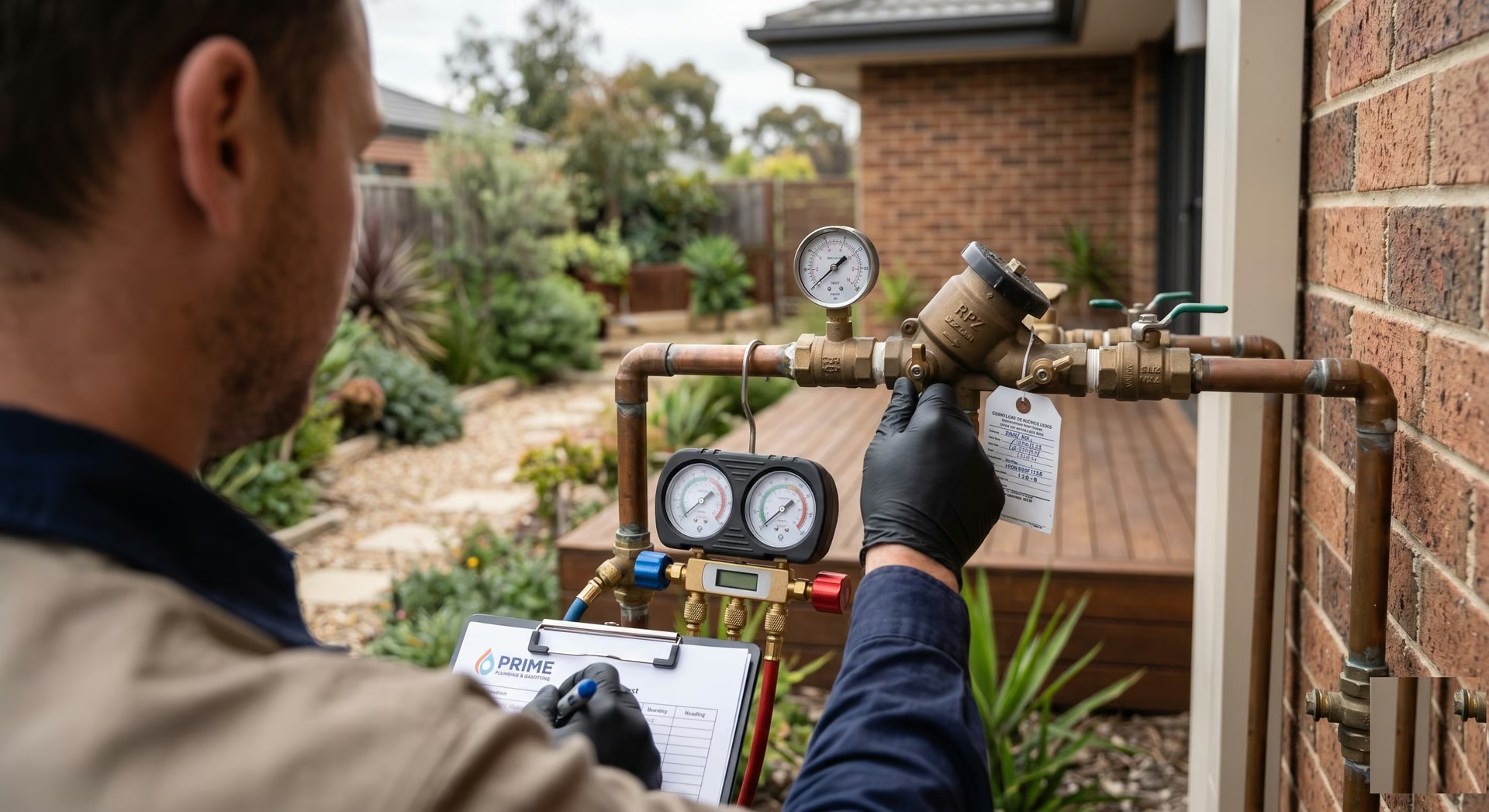
Most Melbourne apartment buildings built since the early 2000s have a backflow prevention device at the property's water main entry. Older buildings sometimes had one retrofitted after a Yarra Valley Water audit notice.
Annual test: required under AS 2845.3 for medium and high hazard devices. Test results lodged directly with Yarra Valley Water (or South East Water / City West Water depending on supply area).
What can go wrong: check valves fail to seat, pressure-relief valves stick open, internal corrosion from older buildings. A failed device may need rebuild ($350-$650 for service kit + labour) or replacement ($1,800-$4,500 for an RPZD swap on a typical apartment building main).
If the building has a central hot water system (instantaneous bank, storage system, or hybrid), it needs annual gas compliance review and a Compliance Certificate trail for any work.
What's checked: gas line tightness from the meter to each appliance, isolation valves operate, flue draft on flued units, no signs of carbon-deposition on burners (which signals incomplete combustion).
The hidden gotcha: many apartment buildings have the gas meter assembly in an external enclosure that's been quietly modified over years (extra branches added when units were upgraded, isolation valves replaced piecemeal). The annual visit is when we find these. A clean asset register entry after each year prevents nasty discoveries during a future sale or major service.
CO testing is required wherever gas appliances serve common or sleeping areas. In apartment buildings the most common areas:
A CO test takes ~5 minutes per appliance with a calibrated analyser. The number on the report should be near zero in normal operation; anything above background warrants investigation.
Many apartment buildings don't have TMVs in common property, TMVs sit inside each lot at the resident's basin/shower.
You need annual TMV testing on common property if:
If your building has no common-area TMVs, this test doesn't apply, skip it.
For a 20-40 unit Melbourne apartment building:
Site visit duration: 2-3 hours On the day:
Off-site, next business day:
Most Melbourne body corporates settle into a per-building annual contract in the $400-$1,200 range, depending on:
We provide a written quote after a 30-minute site walk-through (free, no commitment).
From OC contracts we've taken over from other contractors:
Call 0475 407 670 or send the building address and OC plan number through the form below. We'll arrange a 30-minute site walk-through (free) and quote a fixed-price annual contract.
Some plumbing problems are DIY-friendly; others need a licensed professional under Victorian law.
Anything involving gas, sewer drainage, hot water units, backflow prevention, or work behind tiled walls must be handled by a licensed plumber or gasfitter.
Yes. Compliance requirements apply to the device, not the build year. An older device may need replacement at the next test, but the testing itself is required.
The OC budgets it from the general administrative fund. Individual lot owners don't get separate compliance invoices for common-property testing.
Site walk-through within a week of contact for most Melbourne metro buildings. Annual contract confirmed within a fortnight after the walk-through.
Yes. Same-week response for compliance deficiencies. If a device needs replacement, common RPZD sizes are typically available within 2-3 business days.
The Compliance Certificate and test reports are the evidence the OC committee needs to demonstrate maintenance compliance at AGM. Reports are formatted with the building address, OC plan number, and date so they slot directly into AGM documentation.
A quick checklist to share with your plumber when you book:

If you're unsure, Prime Plumbing & Gasfitting can inspect the issue and explain the options before any work starts. Call 0475 407 670 or request a quote online.
Related plumbing topics: