Heat Pump Hot Water Noise: How Loud Are They and What Can You Do About It?
heat pump hot water noise: How loud is a heat pump hot water system? Typical decibel levels, where noise comes…


How to Find a Water Leak in Your House: A Plumber's Diagnostic Guide, a Prime Plumbing & Gasfitting plain-English guide to how to find a water leak in your house for Melbourne homeowners. Below we cover what works, what doesn't, and when to call a licensed plumber.
Quick answer: Find a hidden water leak by (1) reading your water meter with everything off, if it still ticks, you have a leak somewhere; (2) isolate sections by closing isolation valves and re-checking the meter; (3) check the obvious places first (under sinks, behind toilet, hot water unit, under the dishwasher, irrigation); (4) check for damp patches on walls, ceilings or floors; (5) listen for hissing or running water in walls. If the meter ticks but you can't find the source visually, it's likely concealed (in a wall cavity, under floor, or in the slab) and needs a plumber with leak detection equipment.
If your water bill has jumped, a wall feels damp, or you can hear water running when nothing's on, you might have a leak. Here's the diagnostic process we use on a callout, same one you can run yourself before deciding to book.
The single most diagnostic test for a hidden leak. Five minutes.
If the dials moved or the leak indicator is spinning → you have a leak somewhere on the property.
If nothing moved → no leak (or the leak is very intermittent, might be worth retrying later if you suspect one).
This test is the gold standard. A plumber will do this first thing on a leak callout.
If the meter test confirmed a leak, the next step is figuring out roughly where. Most properties have a few isolation points, close them in sequence and re-read the meter to localise the leak:
If you can stop the leak by isolating a specific section, you've narrowed it from "somewhere on the property" to "somewhere in this room", much easier for a plumber to repair.
Before calling a plumber, walk the property and look for:
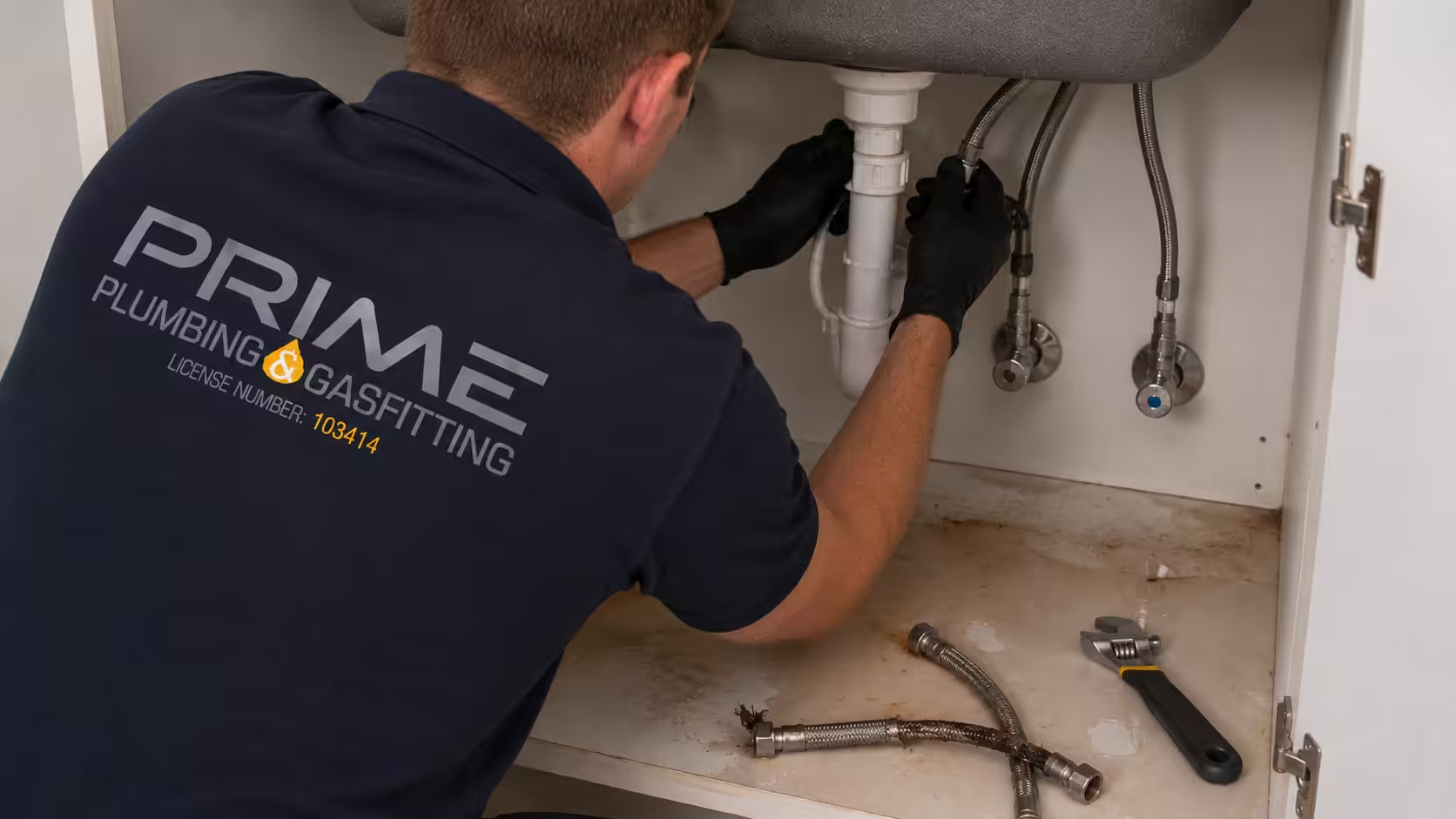
Look in the cabinets, water staining on the cabinet base, drips at the P-trap, weep at the isolation tap connection. Most accessible leaks. Take a torch.
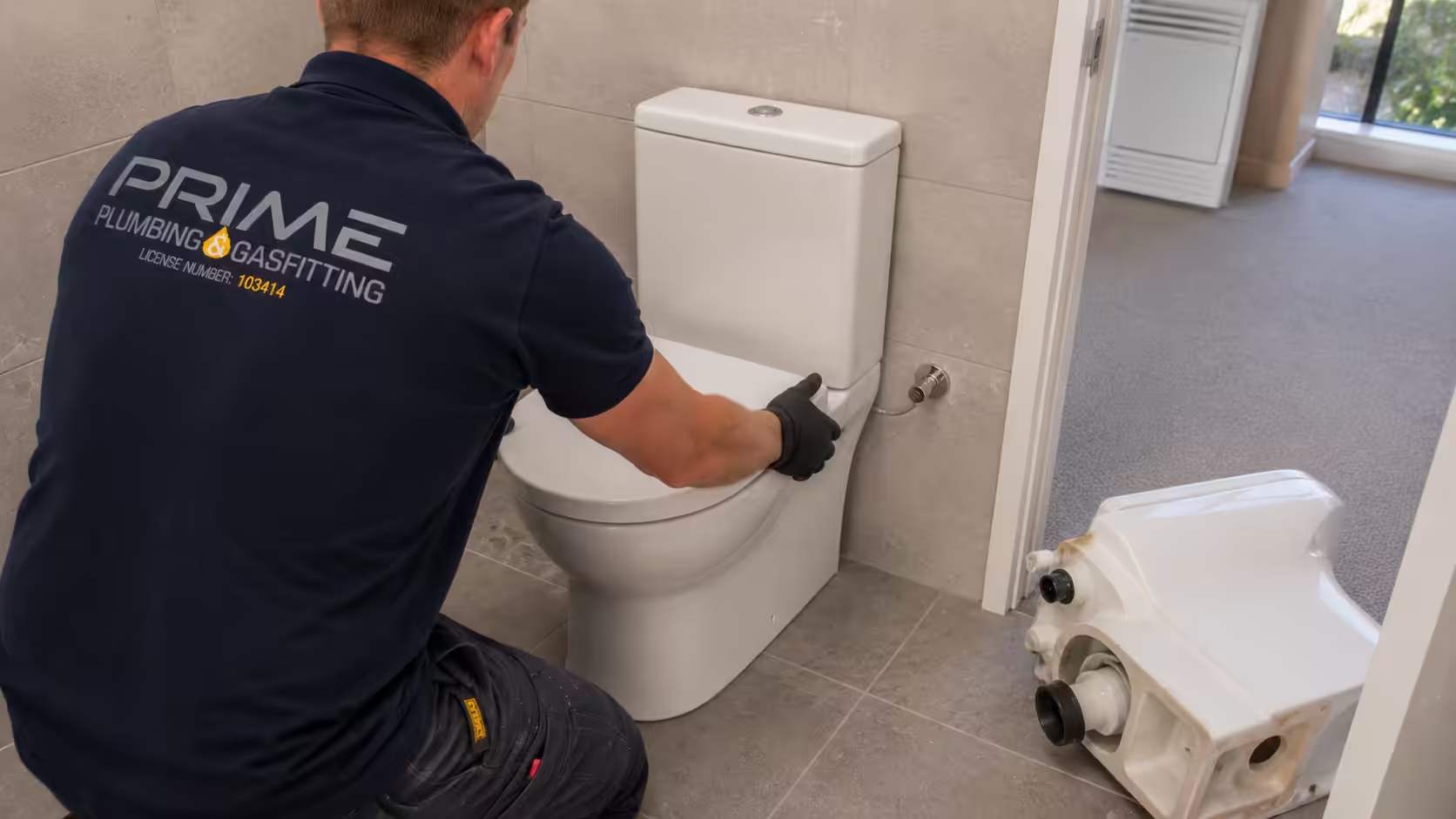
Check the floor behind the toilet for damp. Lift the cistern lid and listen for hissing (suggests a faulty fill valve continuously dripping into the bowl). Add a few drops of food colouring to the cistern, wait 15 minutes, if colour appears in the bowl without flushing, you've got a flush valve leak (silent water waste).
Look around the base of the tank for water staining. Check the pressure-relief valve discharge pipe, should drip a tiny amount during heat-up cycles only, never constantly. Continuous dripping suggests over-pressure or a faulty valve. See hot water replacement for end-of-life unit signs.
Check behind/under each appliance. Inlet hoses develop weeps over time. Check the floor in the cabinet next to the dishwasher.
Walk the garden, soft patches in lawn, areas that are unusually green or brown for the weather, dripping outdoor taps, drip-irrigation lines that are over-watering one spot.
Tap the wall, sounds different where there's moisture inside. Look for water stains, paint bubbling, mould near skirting. Ceiling stains directly below a bathroom usually mean a shower or bath waste leak.

Walk through the house with everything off and listen. Specifically:
A leak large enough to make sound is also large enough to be losing measurable water. Confirm with the meter test.
Book a leak detection visit if:
We diagnose using acoustic + thermal equipment, locate the leak precisely, and quote the repair separately so you know the full cost before approving.
Prime Plumbing & Gasfitting services water leak detection across Melbourne's eastern, south-eastern, inner-east and bayside suburbs. See all suburbs we service →
Suspected leak you can't find? Call 0475 407 670 or send your address + a description of the symptom through the contact form.
Related: Water Leak Detection Melbourne · Burst Pipe Repair Melbourne
About the author
Alister Williams is the founder and lead plumber of Prime Plumbing & Gasfitting. He's been licensed under BPC #103414 for over a decade, is licensed for gasfitting with the Building and Plumbing Commission, and is a member of the Master Plumbers Association of Victoria.

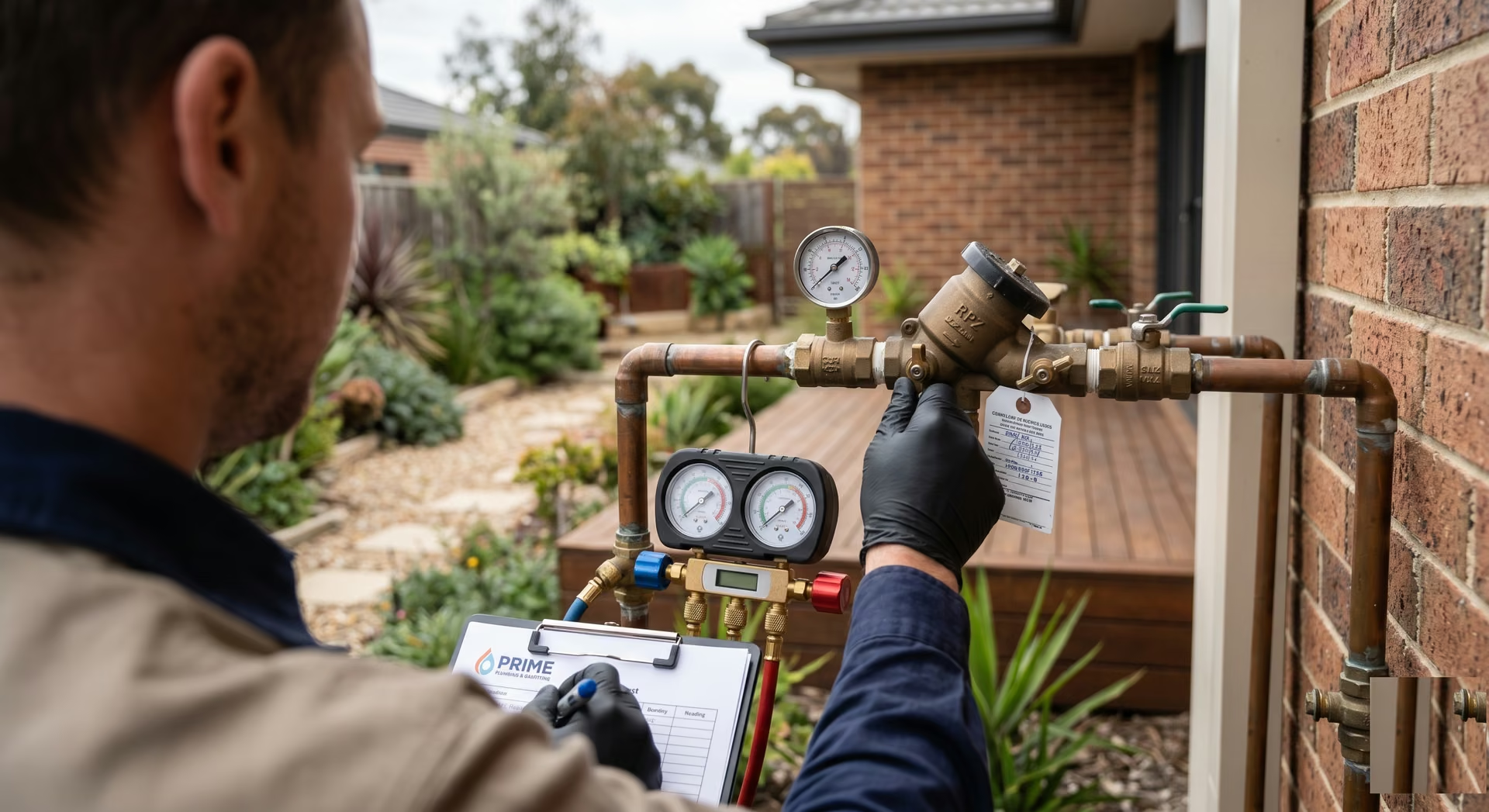
If the meter test confirms a leak but you can't find the source after the obvious-places walk, the leak is concealed: in a wall cavity, under floor, or in the slab. At that point you need professional leak detection:
Our water leak detection page covers this in detail. We carry acoustic and thermal equipment as standard on leak callouts.


This pattern is almost always one of three things:
The meter test plus isolation testing will localise which.
Some plumbing problems are DIY-friendly; others need a licensed professional under Victorian law.
Anything involving gas, sewer drainage, hot water units, backflow prevention, or work behind tiled walls must be handled by a licensed plumber or gasfitter.
The leak indicator on most domestic meters spins at flows as low as 1-2 millilitres per minute, that's roughly a slow drip per second. So if the indicator isn't spinning, you don't have a measurable leak. If it's spinning slowly, even a tiny drip counts.
Yes. A persistent leak that doesn't show as visible damp is usually one of: flush valve drip into toilet bowl (silent), slab leak (water escapes into ground), or supply line in a wall cavity (water tracks down inside the wall before showing). All three need to be found and fixed, and the longer they run, the more damage they cause.
Usually yes, acoustic and thermal equipment locates leaks through finished surfaces. Once located, a small access hole is typically enough to repair. Modern leak detection has dramatically reduced the "let's open the wall to see" approach.
Generally home insurance covers water damage caused by a leak (carpet, floors, ceiling) but the plumbing repair itself is classed as maintenance. Some policies cover hidden water leak detection costs separately. Check your specific policy wording.
Minimum 15 minutes with everything off. For very slow leaks, you can leave the meter for an hour and compare readings. The longer the test, the smaller a leak it'll catch.
This is a more advanced version of the meter test. Read the meter at bedtime, turn off the main valve, leave for 8 hours, re-read in the morning. If readings match, you have no leak between meter and house. This eliminates an in-house leak from a meter-side leak (rare but possible).
Toilet flush valve drip, usually under $100 in parts and a 30-minute visit. It's also one of the most common leaks. Worth checking first.
A quick checklist to share with your plumber when you book:

If you're unsure, Prime Plumbing & Gasfitting can inspect the issue and explain the options before any work starts. Call 0475 407 670 or request a quote online.