Heat Pump Hot Water Noise: How Loud Are They and What Can You Do About It?
heat pump hot water noise: How loud is a heat pump hot water system? Typical decibel levels, where noise comes…

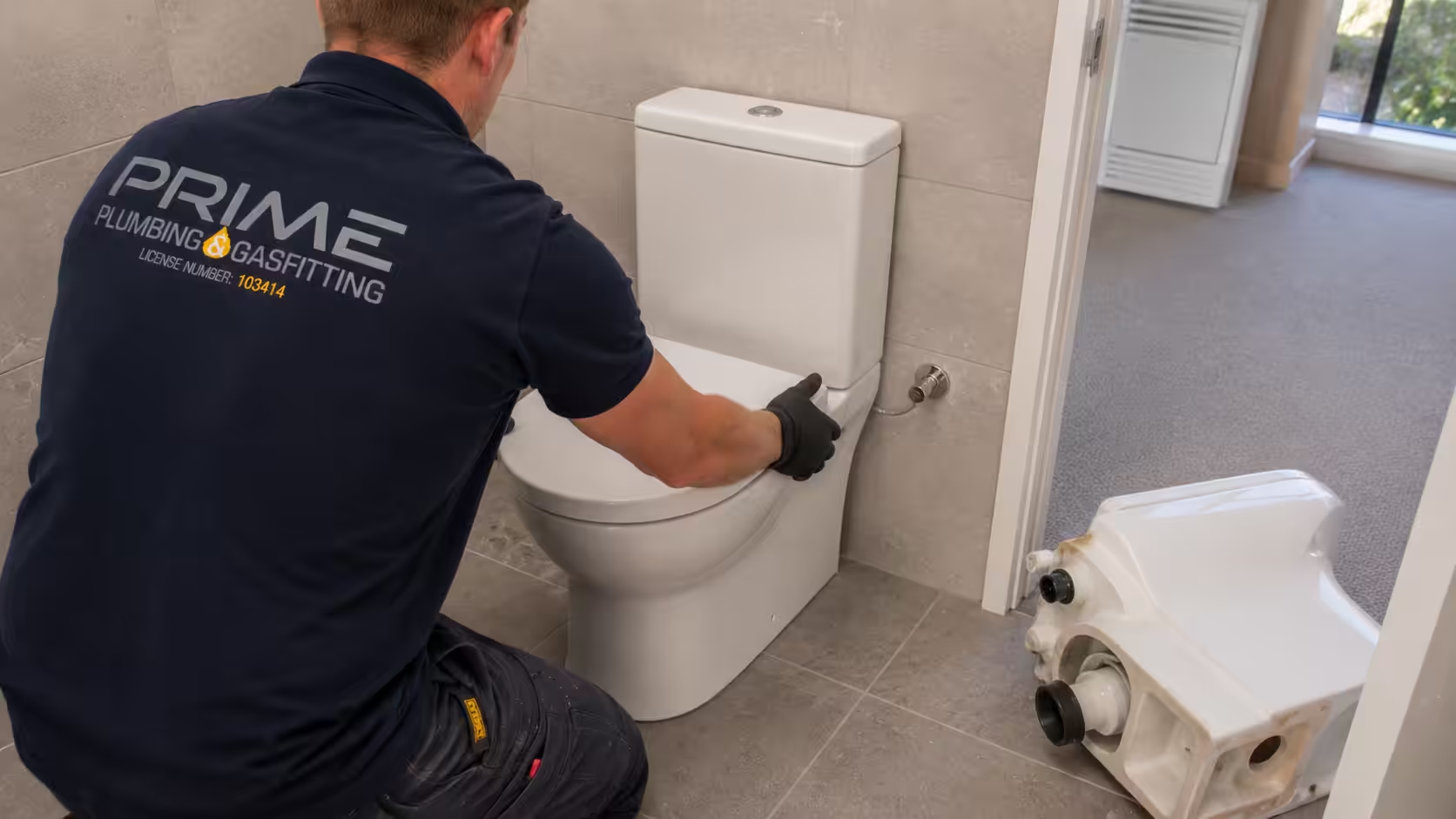
Toilet Overflowing? What to Do Right Now to Stop the Mess, a Prime Plumbing & Gasfitting plain-English guide to toilet overflowing what to do for Melbourne homeowners. Below we cover what works, what doesn't, and when to call a licensed plumber.
Quick answer: A toilet that's overflowing or about to overflow needs two seconds, not two minutes to stop the water. Step one: shut the isolation valve behind or beside the toilet (turn clockwise, the small chrome or plastic tap on the supply line). If you can't reach it, lift the cistern lid and push the float down to stop water filling. Once water stops rising, plunge to clear the blockage, most toilet blockages clear with a proper flange plunger. Use towels to soak up overflow, ventilate the area, and avoid flushing again until you know the blockage is cleared. If plunging doesn't clear it within a few attempts, there's likely a deeper drain blockage, call a licensed plumber.
If your toilet is overflowing right now and you're reading this on your phone, do this first:
You've got maybe 30 seconds between "the bowl is full" and "water on the floor". Don't waste them.
Two systems are involved when a toilet overflows:
The cistern sits on top, holds the flush water, and has a fill valve that refills it after each flush. The cistern itself doesn't overflow because it has its own internal overflow pipe that drains back into the bowl.
The bowl is what you sit on. It connects to the drain via a curved water-trap (S-bend or P-bend). When you flush, the cistern dumps water into the bowl, the trap is overwhelmed and drains, and the trap refills with the last bit of water.
A toilet overflow isn't usually the cistern, it's the bowl. When the drain downstream of the trap is blocked, the flush water has nowhere to go, fills the bowl, and rises over the rim.
So the key insight: stopping the overflow means stopping more water entering the bowl. That's done at the cistern fill valve (turn off supply, or hold the float down), not at the bowl itself.
Option A: Use the isolation valve. Most modern toilets have a small chrome or plastic isolation tap on the water supply line, usually behind or beside the toilet near floor level. Turn it clockwise all the way to close. Water to the cistern stops. The cistern can still empty if you flush, but no new water arrives.
Option B: Lift the float in the cistern. If you can't find or reach the isolation valve, lift the cistern lid (it's heavy ceramic, handle carefully and put it somewhere safe). Inside you'll see the fill valve (a vertical tower or older ball-cock) connected to the water supply. Lift the float arm UP (or push the float UP on tower-style fill valves). This stops the fill valve from drawing water. Hold it up until you can shut the isolation, or wedge it up with a ruler or stick.
Option C: Push the flapper closed. On older toilets, the flapper at the base of the cistern can sometimes be the culprit (stuck open, releasing water continuously). Press it down firmly to seat it.
Option D: Mains shut-off. As an absolute last resort, shut the water off at the meter. This kills water to the whole house, but it stops the toilet flow.
Once water has stopped rising, don't try to flush. The blockage is still there. Another flush dumps another 6-9 litres of water into a bowl that already can't drain, and you'll be back to overflowing immediately.
Use towels (old ones, you'll be throwing them out), paper towels, and a mop. Wet/dry vacuums work well if you have one. Get the floor dry to limit water damage to flooring and the room below.
If overflow has reached carpet or has gone under a wall, you've got water-damage exposure beyond the toilet itself, open windows, run fans, and consider calling a restoration company if it's significant.
Most toilet blockages clear with a proper plunge. Use a flange plunger (the kind with a soft rubber extension that fits into the toilet's drain opening), not the cheap cup-style plunger you'd use on a sink.
Technique:
It can take 10-20 firm plunges to clear a stubborn blockage. Don't give up after two.
Once water has dropped and you think the blockage has cleared, slowly turn the isolation valve back on and let the cistern refill. Then flush once and watch carefully. If the water level rises and drops normally, you're back in business.
If it rises again or rises slowly, the blockage is partially cleared but not fully. Plunge again.
If the bowl looks normal but the toilet "gurgles" or you hear bubbling at other drains in the house when it flushes, that's a sign the blockage is further down the line: possibly in the main sewer drain. Don't keep flushing; call a plumber.

A toilet that won't clear with a determined plunge usually has a blockage further down the line than the toilet trap itself. Common locations:
These need a plumber with proper drain-clearing equipment (electric eel, hydro jetter). Don't try to clear them with chemical drain cleaner, caustic drain chemicals are dangerous in confined spaces, often don't work on the kind of blockages that get into sewer lines (paper, wipes, foreign objects), and can damage older pipework.
If you've got multiple drains backing up at the same time (toilet plus shower drain plus laundry tub), the blockage is downstream of all of them, that's a main sewer issue. Stop using fixtures and call a plumber.
For drain clearing in Melbourne, our blocked drains service handles toilet, branch and main sewer blockages.
Call 0475 407 670 during business hours or send through the contact form. Describe the symptom (overflowing, slow draining, recurring) and we'll bring the right gear.

The four most common things we pull out:
Tree roots in the main sewer cause blockages further down the line, see our tree roots in sewer pipe article (linked from main blog index) for that side of the problem.


Prime Plumbing & Gasfitting clears blocked toilets across Melbourne's eastern, south-eastern, inner-east and bayside suburbs. See all suburbs we service
The Building and Plumbing Commission maintains a plumbing licence search so you can verify your plumber is licensed.
Don't. Boiling water can crack a porcelain toilet bowl, especially in cold weather. Hot tap water is safer if you want to add heat, but water alone normally won't clear the kind of blockages that affect toilets. A flange plunger is more effective and won't damage the porcelain.
Generally not recommended for toilets. The strong caustic chemicals are designed for hair and grease in basin/shower drains; they're less effective on toilet paper and wet wipes that cause toilet blockages. They're also caustic and dangerous if they splash, and they can damage older porcelain glaze, plastic cisterns, and some pipework. A plunger and a plumber are the right tools.
The main rules: only flush toilet paper and human waste. Wet wipes, paper towels, sanitary products, dental floss, cotton buds, cigarette butts, food scraps and cooking grease all go in the bin. Train children not to put anything other than toilet paper down. If you have a slow toilet that drains sluggishly even after a plunge, get the line inspected, a partial blockage left to grow becomes a full one eventually.
It's the same family of problem (something is restricting drainage), but it's much less urgent. Weak flush typically points to a partial blockage in the bowl trap, mineral buildup in the rim jets, or a low cistern fill level. A plumber can diagnose and clear it without the time pressure of an active overflow.
Don't flush. Don't use a plunger (it can push the phone deeper). Turn off the water at the isolation valve. Reach in with rubber gloves and try to retrieve it manually. If you can't reach, call a plumber, we'll often disconnect the toilet from the drain to retrieve foreign objects rather than risk pushing them into the main sewer.
That's a different problem. Cistern overflow is generally a stuck fill valve that doesn't shut off, sending continuous water through the cistern's internal overflow into the bowl. Turn off the isolation valve, replace or service the fill valve. The bowl drainage is fine in this scenario.
The plumbing repair generally isn't (it's classed as maintenance), but water damage to floors, walls, and downstairs ceilings from an overflow is commonly covered, subject to your policy. Document the overflow with photos before cleaning if there's been meaningful damage.
Indicative ranges only, actual cost depends on access, blockage location, and whether multiple drains need clearing:
We always quote in writing before starting. For unit replacement options if your toilet is part of a wider issue (frequent blockage, recurring problems), our toilet repairs service covers toilet diagnostics and replacement.