Heat Pump Hot Water Noise: How Loud Are They and What Can You Do About It?
heat pump hot water noise: How loud is a heat pump hot water system? Typical decibel levels, where noise comes…


Why Is Water Coming Through the Wall? Common Causes in Melbourne Homes, a Prime Plumbing & Gasfitting plain-English guide to why is water coming through the wall for Melbourne homeowners. Below we cover what works, what doesn't, and when to call a licensed plumber.
Quick answer: Water coming through a wall has four common causes: (1) a pressurised supply-line leak inside the wall, (2) a waste-pipe leak from a fixture above, (3) shower or bathroom waterproofing membrane failure, or (4) external water ingress (rain, gutter overflow, soil moisture). The pattern of the staining usually points to which one. Supply leaks are urgent (water keeps pumping in until found and fixed). Membrane failures and external ingress are slower but cause more cumulative damage. This article shows how to identify which, and when to call a plumber vs a waterproofer vs a roofer.
A damp patch on an internal wall is one of those problems that's easy to ignore until it becomes obvious, and by the time it's obvious, the damage behind the wall is usually significant. Here's how to figure out what's actually causing it.
A copper or PEX supply pipe inside the wall has developed a pinhole or crack and water is escaping under mains pressure. This is the most urgent cause because water keeps pumping in until you stop it, every minute the leak runs, more damage.
Telltale signs:
What to do: Turn off water at the meter. Then call a plumber for water leak detection. The longer this runs, the more wall, plaster, flooring and framing you'll need to repair.
A waste pipe (sink, bath, shower, toilet) on an upper floor has cracked or its joint has failed, and waste water is dripping down inside the wall when the fixture is used.
Telltale signs:
What to do: Identify which upstairs fixture is the trigger (run each in turn, watch the wall). Call a plumber. Less urgent than supply leak because the leak only flows when you use the fixture, but cumulative damage adds up.
The waterproofing membrane behind the tiles in a shower, bath surround, or under a bathroom floor has cracked or failed, allowing water to seep through every time the bathroom is used. Common on bathrooms over 15 years old, especially on older Melbourne renovations where the original membrane has reached end-of-life.
Telltale signs:
What to do: This isn't strictly a plumbing issue, it's a waterproofing issue, which is a different trade. We can identify the cause and refer to a waterproofer for the membrane replacement. The repair usually involves removing the affected tiles, replacing the membrane, and re-tiling.
Water is getting INTO the wall from outside, rain through a damaged roof, gutter overflow saturating the wall behind, render cracks letting moisture through, rising damp from soil contact at the wall base, or window flashing failure.
Telltale signs:
What to do: Not a plumbing issue. Call a roofer (for roof/gutter), a renderer (for cracked render), or a waterproofer (for rising damp / window flashing). A plumber can rule out plumbing causes but won't fix external ingress.
A simple flowchart you can run yourself:
Real example: On a recent Hawthorn callout, the homeowner saw a damp patch appear in a hallway wall over a weekend. Meter test confirmed a leak. Acoustic detection located it inside the wall cavity 1.2m from where the damp was visible, water had tracked down inside the cavity before showing through. The supply line was original older copper that had developed a pinhole at a fitting. Sectional repair, plus we recommended replacing the rest of the run on the same wall preventatively.
Real example: On a recent Caulfield callout, damp was developing on a downstairs ceiling under a 1990s upstairs bathroom. Meter test was clean (no supply leak). Damp tracked exactly with shower use. We confirmed the waterproofing membrane was at end-of-life and referred to a waterproofer for the repair, not strictly our trade but an honest "this is what you need" beats "let's tear apart the plumbing first to see".
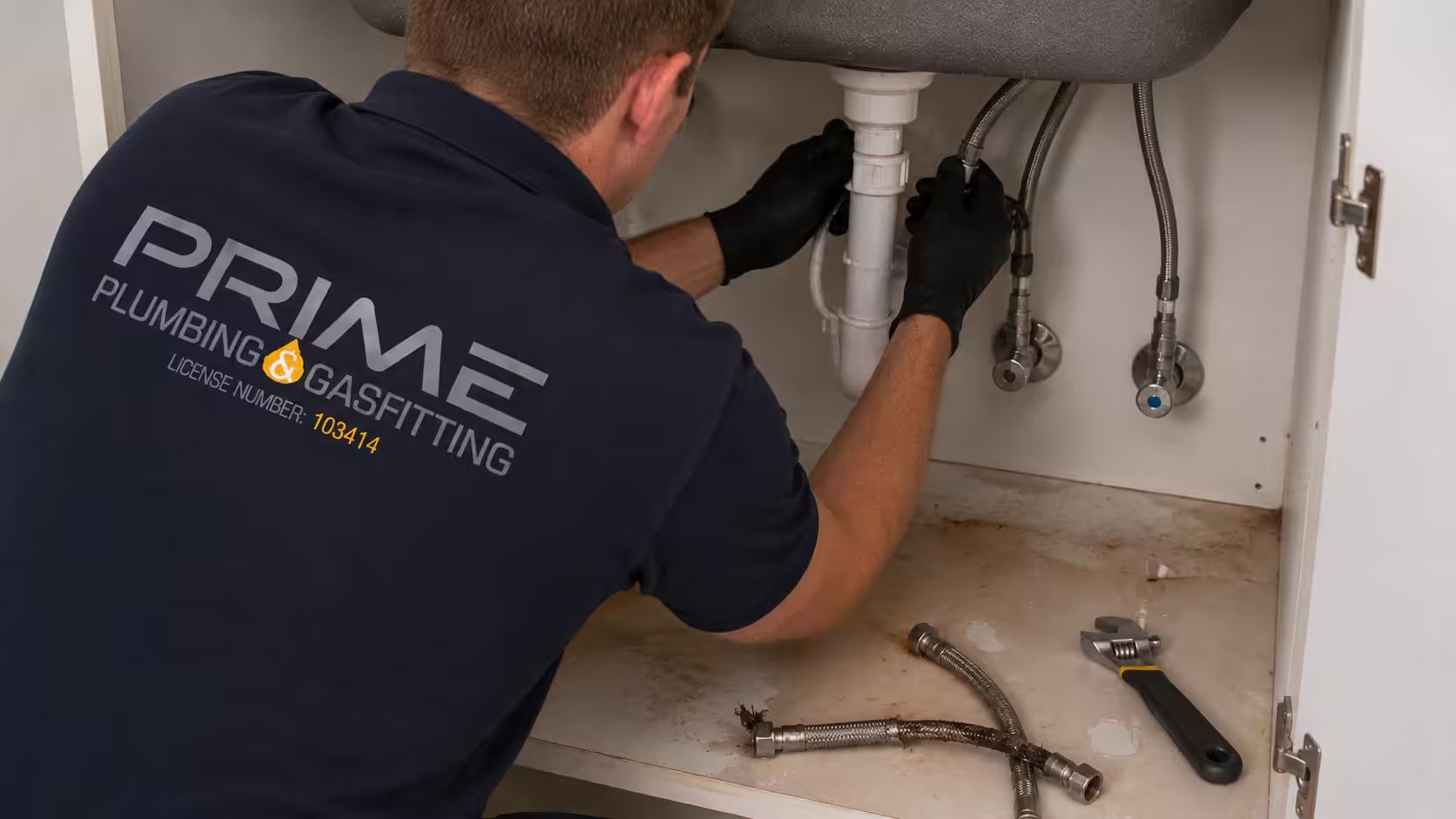
Real example: On a recent Toorak callout, damp on a wall behind a kitchen sink. Meter test confirmed no supply leak. The sink P-trap was leaking VERY slowly, only when actively running water, and dripping down the back of the cabinet into the wall void. Replaced the P-trap, dried out the cabinet, recommended monitoring the wall for 4-6 weeks for any residual moisture issues.

If your damp is:
Calling the right trade first saves you a wasted callout fee.
Water coming through a wall? Call 0475 407 670 or send your address + a description of where the damp is and when it appears through the contact form.
Related: How to find a water leak in your house · Water Leak Detection Melbourne · Burst Pipe Repair Melbourne
About the author
Alister Williams is the founder and lead plumber of Prime Plumbing & Gasfitting. He's been licensed under BPC #103414 for over a decade, is licensed for gasfitting with the Building and Plumbing Commission, and is a member of the Master Plumbers Association of Victoria.

Book a wall-leak diagnostic visit if:


Prime Plumbing & Gasfitting services water leak detection across Melbourne's eastern, south-eastern, inner-east and bayside suburbs. See all suburbs we service →
Some plumbing problems are DIY-friendly; others need a licensed professional under Victorian law.
Anything involving gas, sewer drainage, hot water units, backflow prevention, or work behind tiled walls must be handled by a licensed plumber or gasfitter.
If the damp patch is growing visibly OR the meter test confirmed a leak, yes, turn off the water at the meter. Use the time to book a plumber. If the damp is stable and not weather-dependent, you have time to diagnose properly.
Touch the wall surface above the damp area. A hot supply line leak warms the wall slightly even hours after use. Cold supply leaves the wall cool. Helps the plumber bring the right fittings.
Usually cause 2 (waste leak, flows only when fixture is used) or cause 4 (external ingress, wet during rain, dries between). The cyclic pattern itself is a useful diagnostic.
Yes, that's why catching damp early matters. By the time it shows on the wall surface, the cavity behind has often been saturated for weeks. Frame timber, plaster lining, insulation can all develop mould. The repair scope grows with how long it's been running.
Sudden water damage from a burst pipe is generally covered. Long-running leaks (water seeping through a failed bathroom membrane for years) are generally NOT covered, they're classed as gradual damage / maintenance failure. Your policy wording will be specific. Get the leak diagnosed and repaired regardless of insurance status.
We don't list flat prices. The diagnostic visit covers acoustic + thermal detection where needed. Once located, the repair quote is given separately so you know the full cost. We're upfront if the cause turns out to be non-plumbing (membrane, external) so you don't pay for plumbing work that isn't the answer.
A quick checklist to share with your plumber when you book:

If you're unsure, Prime Plumbing & Gasfitting can inspect the issue and explain the options before any work starts. Call 0475 407 670 or request a quote online.